At the beginning of this TeamUp program phase in September 2023, the world was emerging from the COVID-19 pandemic. While public concern about the virus had begun to fade, the need for proper sanitation and hygiene remained important. TeamUp recognized that handwashing was not only a COVID-19 prevention measure but also a simple and effective way to reduce common illnesses, improve wellbeing, and create economic opportunities for young people.
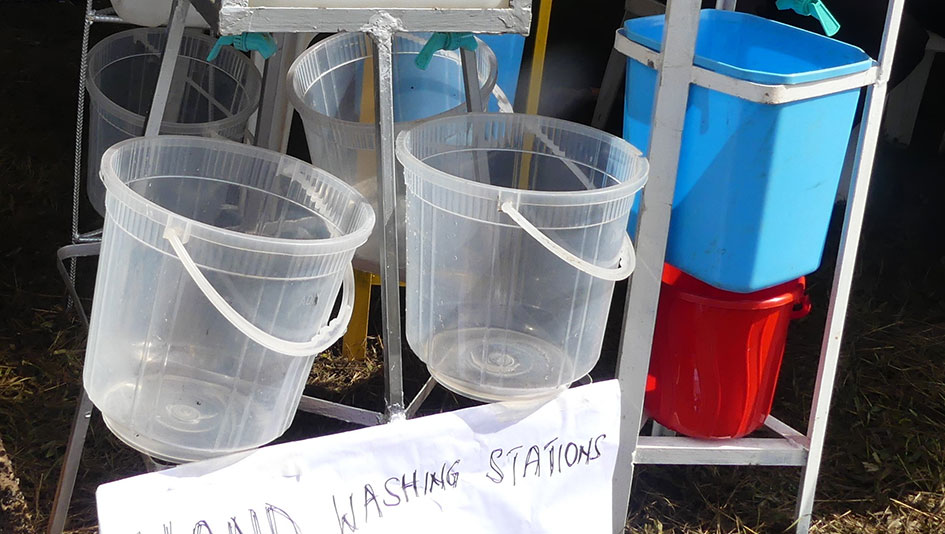
Our lead implementing partner in the water sector, Whave Solutions, introduced an innovative hand-wash station (HWS) franchise model. The initiative combined public health promotion with youth entrepreneurship by training young people to market and sell affordable handwashing stations to households, schools, health facilities, offices, and businesses.
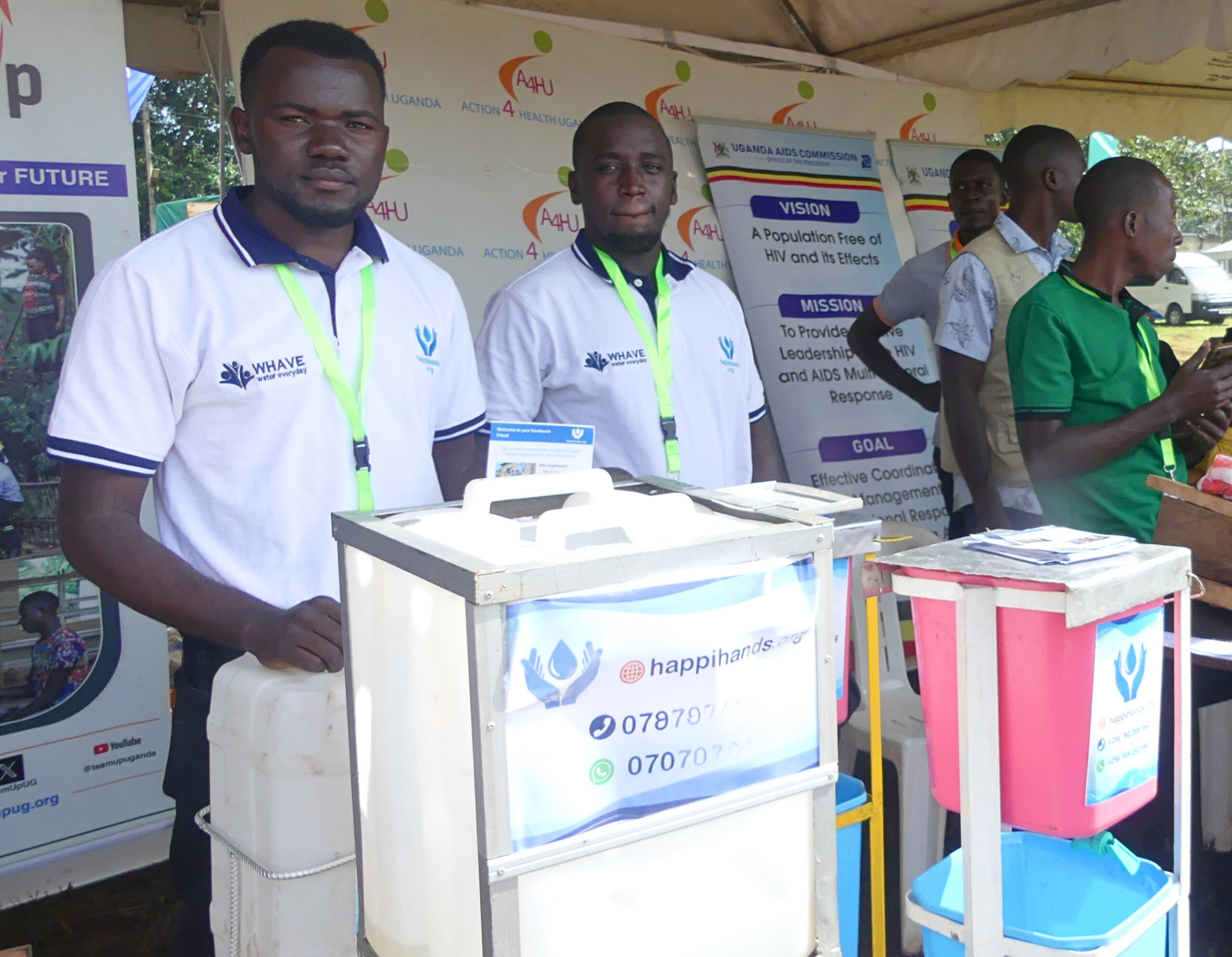
Equipping Youth with Business Skills
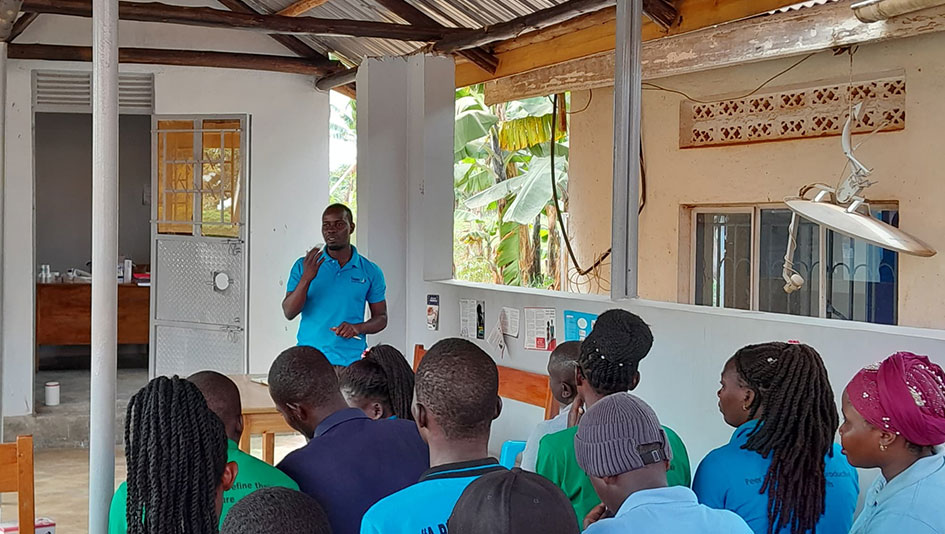
The project initially targeted 120 youth for franchise marketing and entrepreneurship training. By the end of 2025, 208 young people had successfully completed the training, which is 173 percent of the original target. Participants gained practical skills in customer engagement, negotiation, public speaking, sales, after-sales service, and maintenance of handwashing stations. Continuous mentorship, technical support, promotional materials, and regular coaching helped strengthen their confidence and ability to engage potential customers.
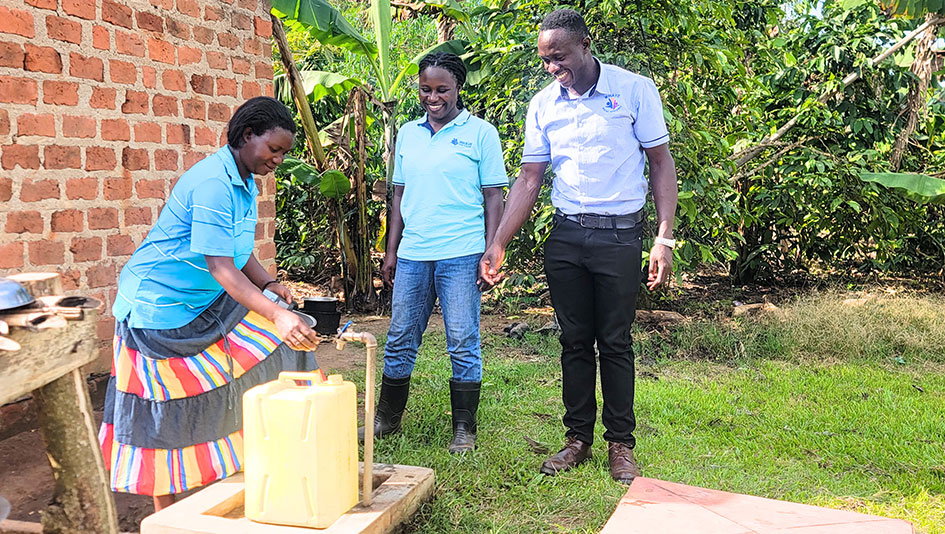
Despite a decline in public interest in handwashing facilities following the end of the COVID-19 emergency, the trained youth continued to actively market the hand-wash stations in their communities. Through their efforts and support from Whave Solutions, they sold 361 handwashing stations, slightly exceeding the program target of 360 units. The stations were installed in homes, schools, health centres, offices, and business premises, increasing access to handwashing facilities in areas where water and sanitation services remain limited.
Health Gains Backed by Evidence
The impact of this initiative went far beyond product sales. Findings from the TeamUp Midline Assessment conducted in 2024 showed significant improvements in health outcomes among project participants. Improved water and sanitation management contributed to a 28 percent reduction in disease prevalence in the treatment districts of Mityana and Kassanda.
Most notably, cases of diarrhoeal disease declined substantially among both male and female participants. Among females, diarrhoea prevalence reduced from 39.6 percent at baseline to 16.7 percent at midline. Among males, prevalence dropped even more dramatically from 60.4 percent to 9.9 percent. The proportion of participants reporting no diarrhoea increased significantly across both groups, demonstrating the positive effect of improved hygiene practices and access to sanitation facilities.
The assessment concluded that TeamUp was making strong progress toward improving health outcomes for young people and their communities. These achievements were particularly remarkable because even where some communities continued to face challenges with water access, improved hygiene knowledge and access to handwashing facilities contributed to better health.
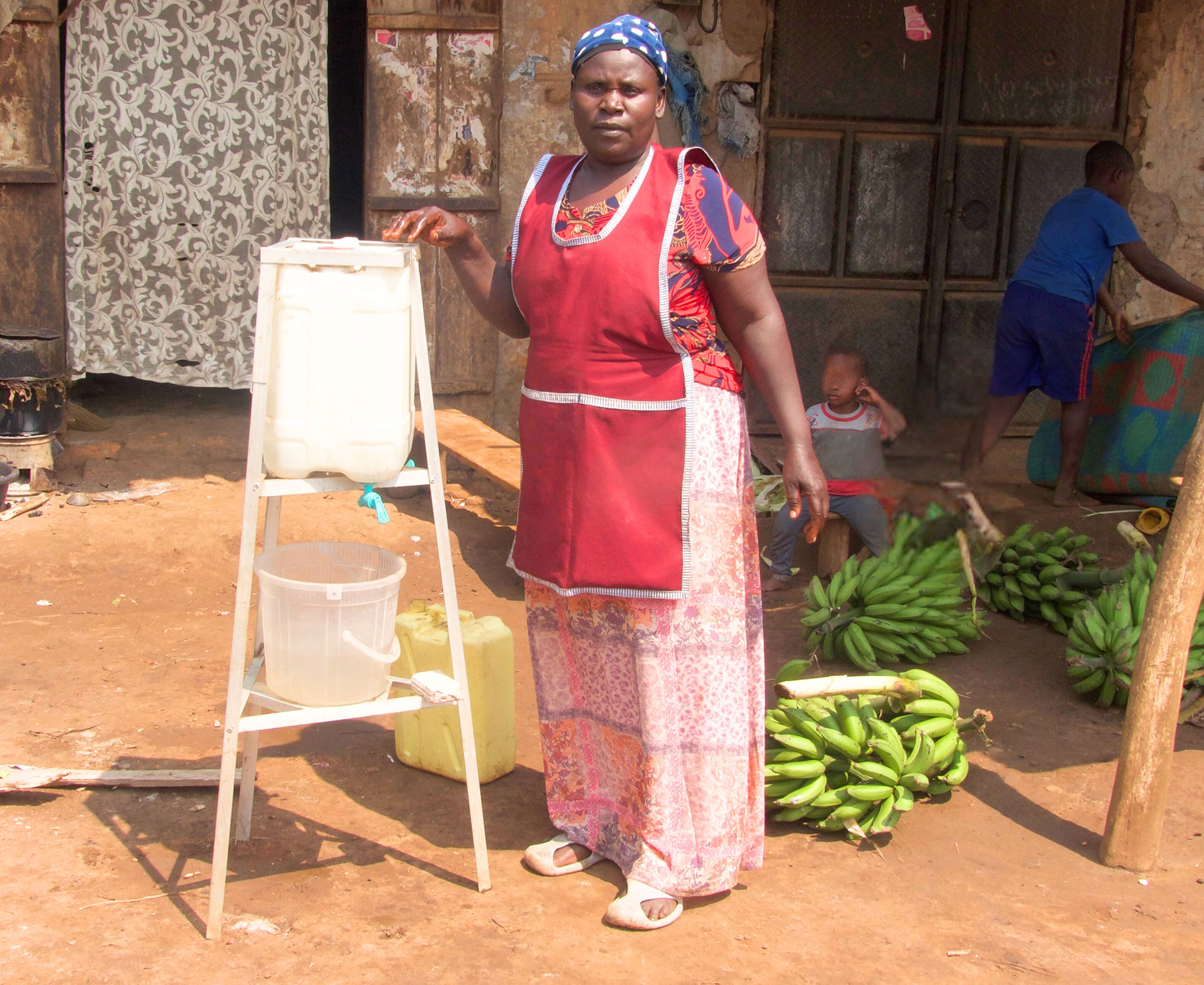
The Power of Working Across Sectors
A key factor behind this success was TeamUp’s cross-sector approach. Rather than addressing health, livelihoods, and sanitation separately, the project brought together interventions from the Sexual and Reproductive Health and Rights (SRHR), Agriculture, and Water sectors. Handwashing stations were promoted through integrated community outreaches, agricultural mobile markets, and Cool Parents Dialogue meetings where young people, parents, and community leaders discussed health and development challenges.
During these events, handwashing demonstrations were conducted alongside broader health and livelihood activities, helping communities understand the importance of sanitation in everyday life. The integrated approach ensured that messages about hygiene were reinforced through multiple community platforms, increasing awareness and adoption of healthy practices.