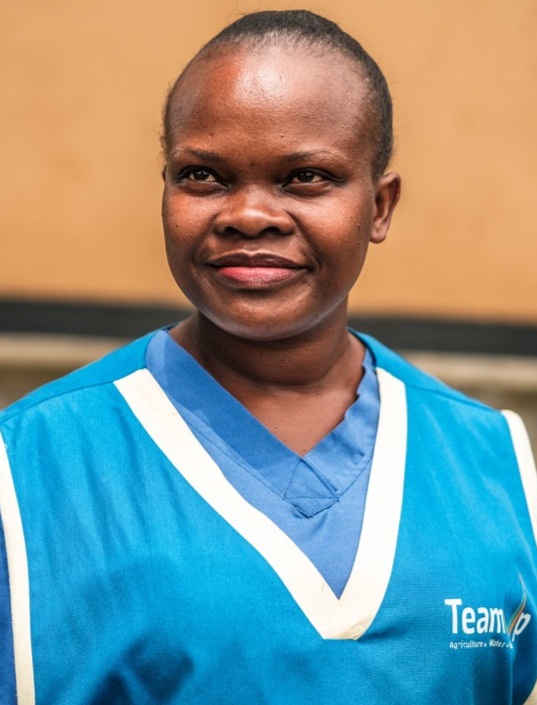
Rebecca Nabatanzi, Adolescent Focal Person, Malangala HCIII
My name is Rebecca Nabatanzi, and I work as a nurse assistant at Malangala Health Centre III in Mityana District. Since 2018, I have been part of the TeamUp Uganda program. Over the years, I have witnessed how our work has transformed the way young people access professional sexual and reproductive health (SRH) services.
What excites me most is seeing how simple innovations, such as youth-friendly spaces and digital referral technology, have made it easier for adolescents to seek care with confidence and dignity.
Before TeamUp: Limited Access and Missed Opportunities
When I first started working at the health centre, we did not have a dedicated youth-friendly corner. Adolescents seeking sexual and reproductive health services had to join the general patient line. For many young people, this felt uncomfortable and intimidating, so they simply stayed away.
Because of this, only a few adolescents visited the facility each month. Many youths lacked reliable information about family planning, HIV prevention, and menstrual health.
Another major challenge was referrals. There was no structured system to track whether young people who were referred for services actually returned to receive care. Many simply disappeared from the system, leaving health workers unable to support them further.
Creating Safe Spaces for Young People
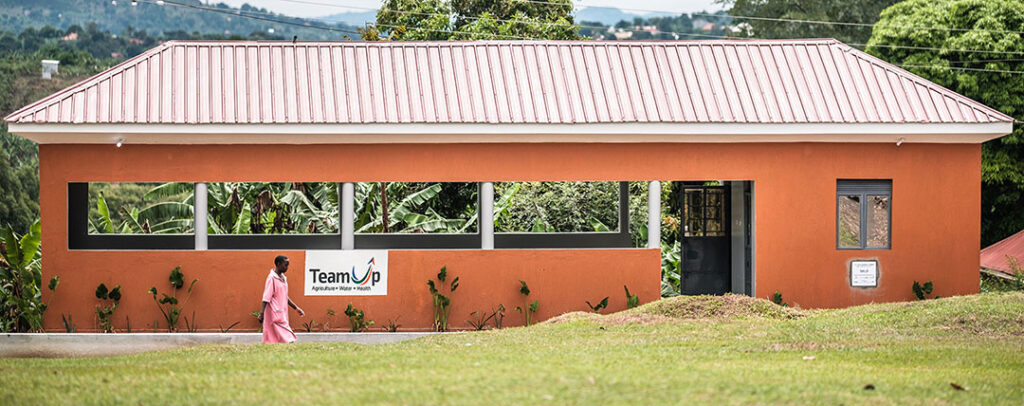
TeamUp Uganda established a tent-style youth-friendly corner at the health centre. This dedicated space quickly became a safe and welcoming environment where adolescents could speak openly about sensitive issues.
The corner is equipped with educational materials such as brochures, demonstration kits, and condoms. The privacy it offers has made a big difference. Young people now feel comfortable asking questions and seeking guidance about their health.
Using Technology to Strengthen Referrals
One of the most transformative changes introduced by TeamUp was the digital referral system named Commcare. Using Commcare, we can now record each referral from a youth empowerment centre through a digital voucher. This tool allows us to track referrals from the youth empowerment centres to the health centre and monitor whether young people complete their visits. The digital system has also improved data collection, allowing us to track in real time how many youths are accessing services.
Expanding Services Through Community Outreach
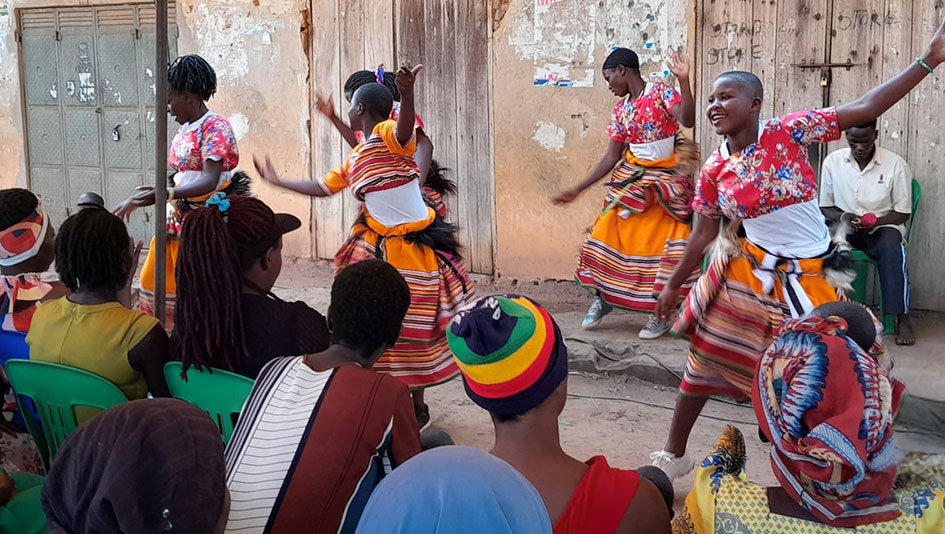
TeamUp also strengthened our ability to reach young people directly in their communities. Through integrated outreach programs in schools and community venues, we provide health talks, HIV testing, vaccinations, and family planning services.
These outreaches help break the silence around sexual and reproductive health and bring services closer to young people who might otherwise never visit a health facility.
Real Impact on Youth Health
Since the youth-friendly corner opened, the number of adolescents accessing SRH services has increased from only a few per month to approximately 200–800 youths each month, depending on outreach activities.
The digital referral system recorded 200 referrals in its first month, with a 70 percent follow-up rate, a dramatic improvement compared to the near-zero follow-up we experienced before.
In the first year of outreach programs alone, more than 1,000 youths received health education, condom demonstrations, and HIV testing.
Post-outreach surveys also showed measurable learning gains. Adolescents’ knowledge of menstrual hygiene practices increased by 30 percent, while awareness of available SRH services rose by 45 percent.
My Role in Supporting Youth Services
At the health centre, I manage the youth-friendly corner and ensure that adolescents are welcomed into a safe and respectful environment. I provide counseling, distribute educational materials, and guide young people through the services available to them.
Beyond the facility, I coordinate with schools, youth groups, and community leaders to organize outreach events where I lead health talks on topics such as safe sex, contraception, and menstrual hygiene.
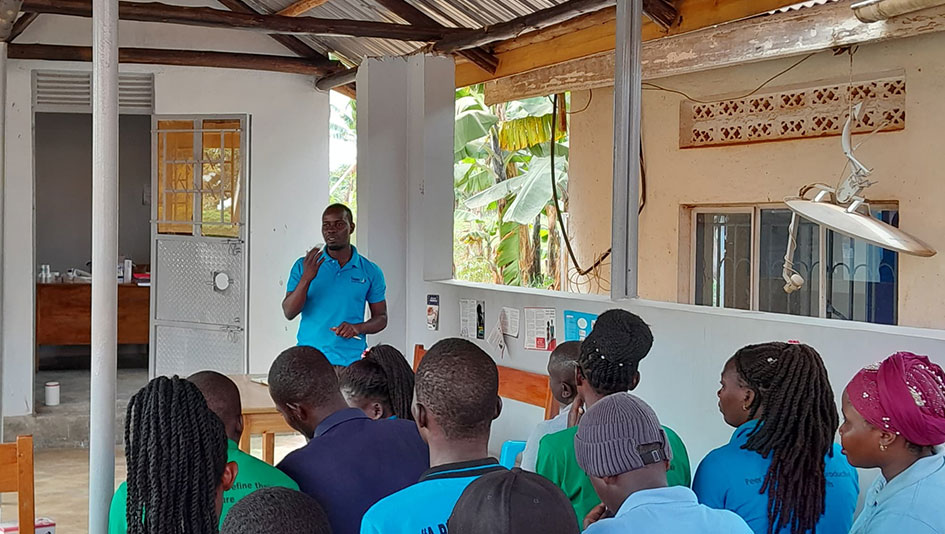
I also mentor newer health workers on adolescent-friendly communication and the use of the referral technology so that these skills continue to spread within our team.
Lessons That Changed Our Approach
Through this experience, I have learned several important lessons.
Technology can dramatically strengthen health service delivery when used well. The digital referral tool turned what used to be a fragmented system into one that is traceable and accountable.
Youth-friendly spaces are equally important. When adolescents have a private and welcoming place to seek care, they are far more likely to come forward.
Continuous training also matters. Regular capacity-building sessions help health workers maintain high-quality services and stay updated on best practices.
Finally, community engagement drives demand. Working closely with schools, youth groups, and local leaders ensures that young people know where and how to access services.