TeamUp Uganda’s investments in rural water services have significantly reduced the time young people spend collecting water, and created more opportunities for education, farming, and other income generating activities.
An independent progam evaluation conducted in March indicated that the proportion of youth collecting safe water within 30 minutes increased from 68.0 percent at baseline (2022) to 86.6% in TeamUp-supported communities in Mityana and Kassanda districts.
For many families, fetching water once meant walking long distances, waiting in long queues, and carrying heavy jerrycans home. For women and girls, these daily journeys often took time away from school, household responsibilities, and income-generating activities, while exposing them to safety risks. This story has changed in areas where TeamUp operates.
Working closely with district local governments and communities, scores of non-functional water sources were rehabilitated, Water User Committees formed and strengthened, community handpump mechanics trained, and preventive maintenance agreements signed. Together, these interventions enabled communities to detect faults early, organise repairs quickly, and keep water facilities functioning throughout the year.
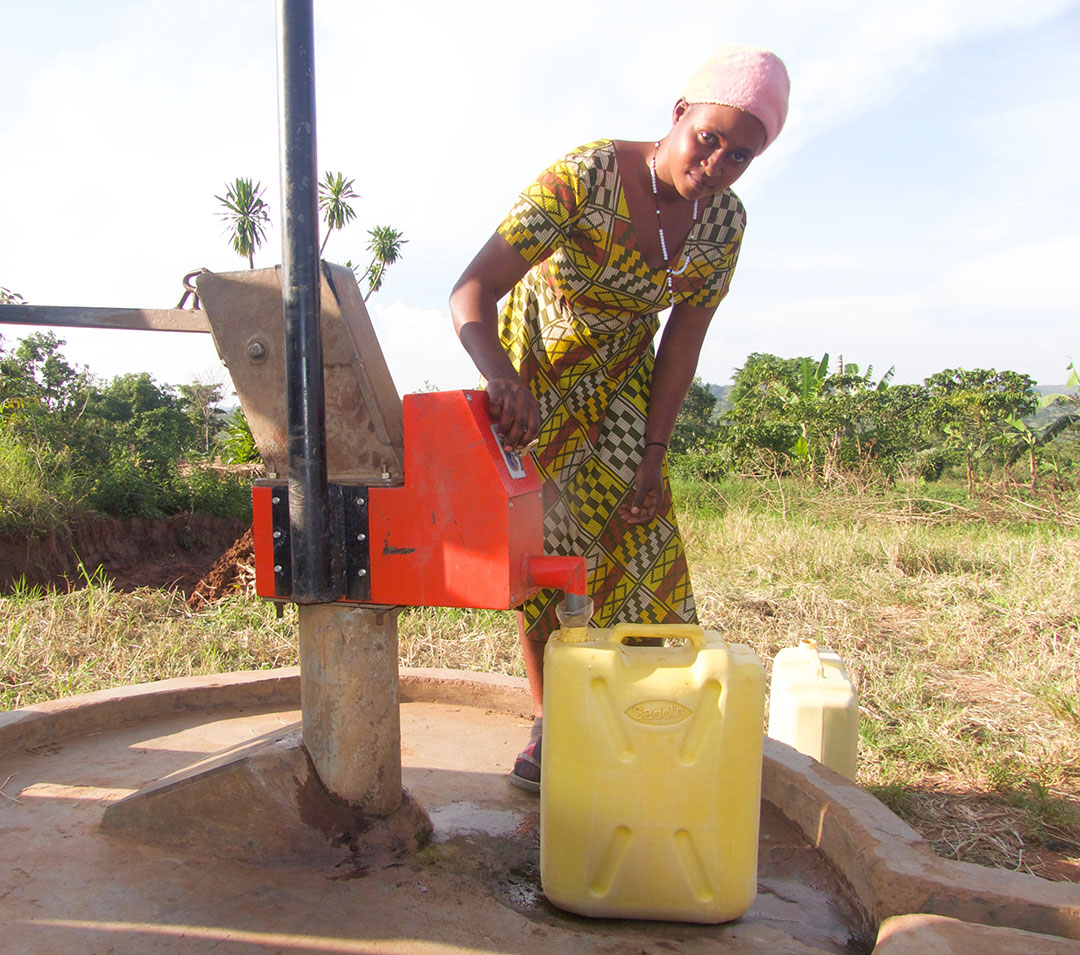
Borehole Water
For many young people, improved access to safe water has transformed daily life. Instead of spending hours walking to distant water sources, they now have more time to cultivate their gardens, attend school, run businesses, and care for their families. Shorter distances also reduce the physical burden and safety risks associated with collecting water, particularly for women and girls.
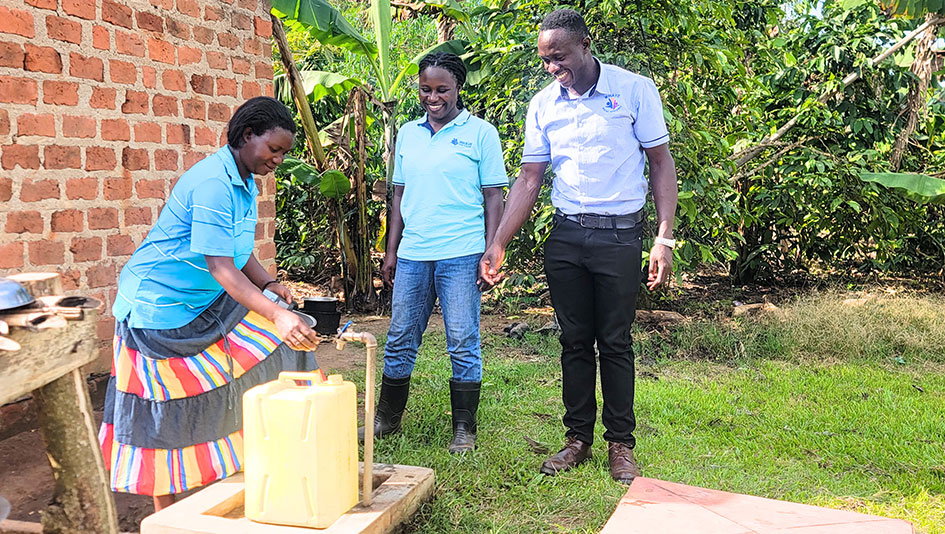
Florence Namagembe, whose household now accesses water from a standpipe installed within her compound at Mutetema in Mityana district, says.
“Before the standpipe was installed, I had to walk a long distance several times a day to fetch water. It was exhausting, especially with young children to care for. Today, clean water is just a few steps from my doorstep. I spend the time I used to walk for water tending my livestock and caring for my children.”
For Patrick Kasozi, a resident of Senda in Kalangaalo Subcounty, Mityana district, a rehabilitated borehole restored reliable access to safe water for dozens of households.
“Our borehole used to break down frequently, forcing us to walk to distant water sources. Since it was rehabilitated and we signed a maintenance agreement with Whave Solutions under TeamUp, we rarely experience long breakdowns. We now have safe water close to home, and our children have more time for school while we spend more time on farming.”
The benefits extend beyond household water use. The evaluation found that improved access to reliable water is supporting productive activities such as vegetable growing, small-scale irrigation, livestock production, and brick making, strengthening livelihoods and increasing resilience to climate variability. The result is not only better access to water but also more time, greater productivity, improved wellbeing, and stronger rural livelihoods for young people and their families.