Young people are taking control of their lives through informed, confident choices about family planning. Across Mityana district, 17 Flying Nurses locally known as BEES, who are community-based private health workers supported by TeamUp Uganda, are bringing family planning services closer to where young people live and work.
Through home visits, Youth Empowerment Centre (YEC) meetings, and community outreaches, BEES ensure that contraceptives are available and affordable within communities.
In 2025, they sold 5,312 family planning products, including 2,019 condoms, 1,078 emergency contraceptives, 345 pills, and 1,870 Depo Provera injections. Behind these numbers are real lives changed: over 5,000 unwanted pregnancies prevented, and thousands of young people empowered to plan their families and pursue their dreams.
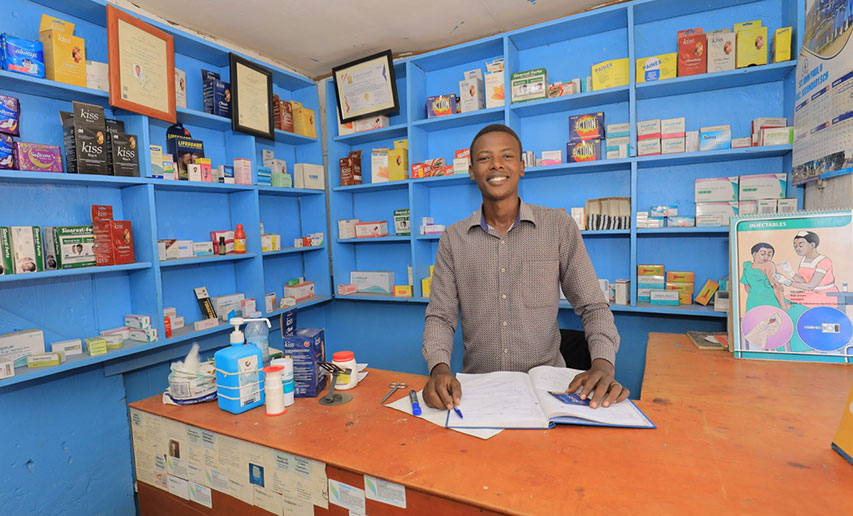
For David Kalisa, a Flying Nurse based in Namungo, this work is personal. Before joining TeamUp, David struggled with frequent stockouts and limited supplies. Today, he runs a well-stocked community clinic, supported by affordable commodities provided on credit, proper record-keeping tools, and continuous training under the BEES model.
“I now have all the family planning commodities my community needs,” David shares. “Young people no longer have to travel far or fear high costs. They know they can find safe, reliable services right here.”
With the help of a bodaboda rider, David travels to remote villages and trading centres at least twice a week, carrying not just products but life-changing information. Through these home visits, myths and misconceptions about family planning are steadily fading. More young people now understand that family planning is safe, healthy, and a pathway to a better future.
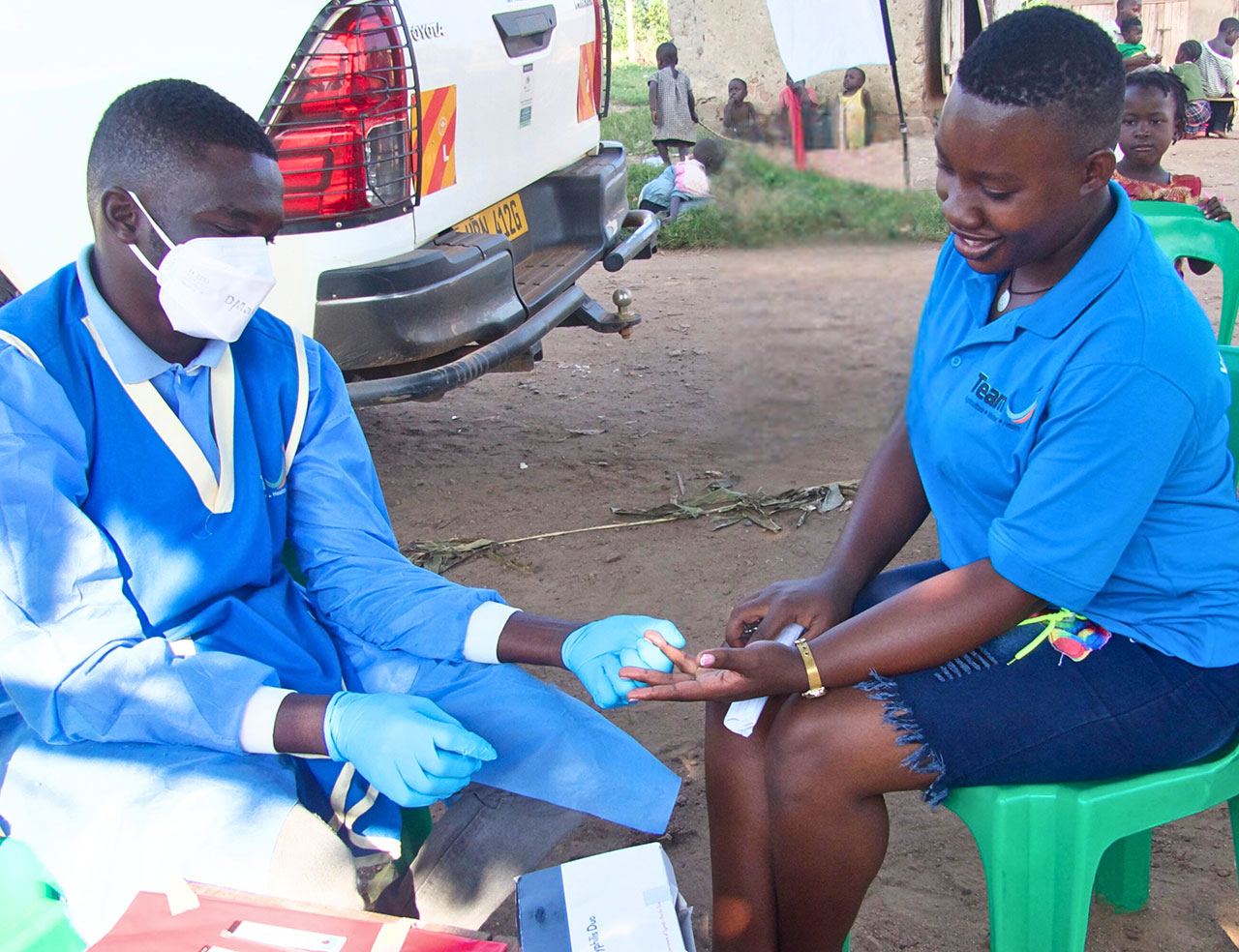
The BEES ensure that those who need long-term family planning methods are referred to nearby government health facilities, which strengthens the link between them and the public health care system.
With consistent supplies, training, outreach funding, and transport support, TeamUp’s Flying Nurses are proving that when services are brought closer to young people, they respond with confidence and hope.