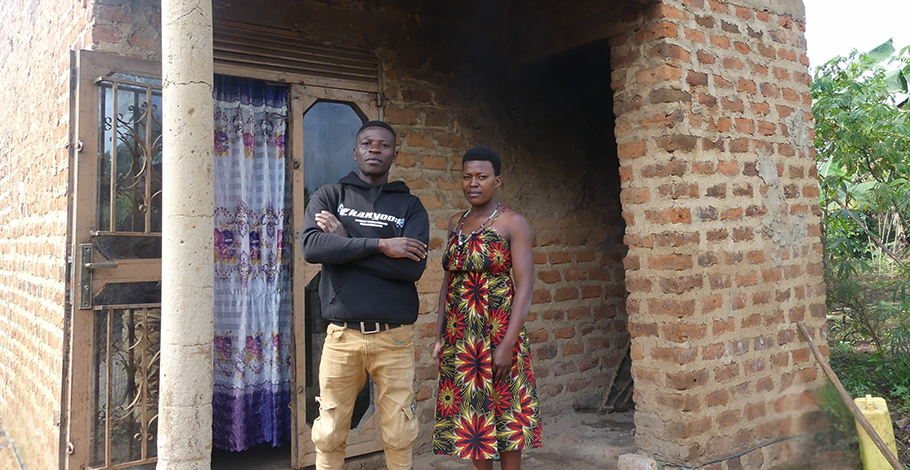
Before joining TeamUp program, Godfrey Ssevvume’s household reflected the challenges faced by many families in rural Uganda. Household roles were rigidly divided along traditional gender lines, with him making most decisions on income use and farming activities. This often led to misunderstandings and underutilization of the family’s farming potential, as resources and responsibilities were not shared equally.
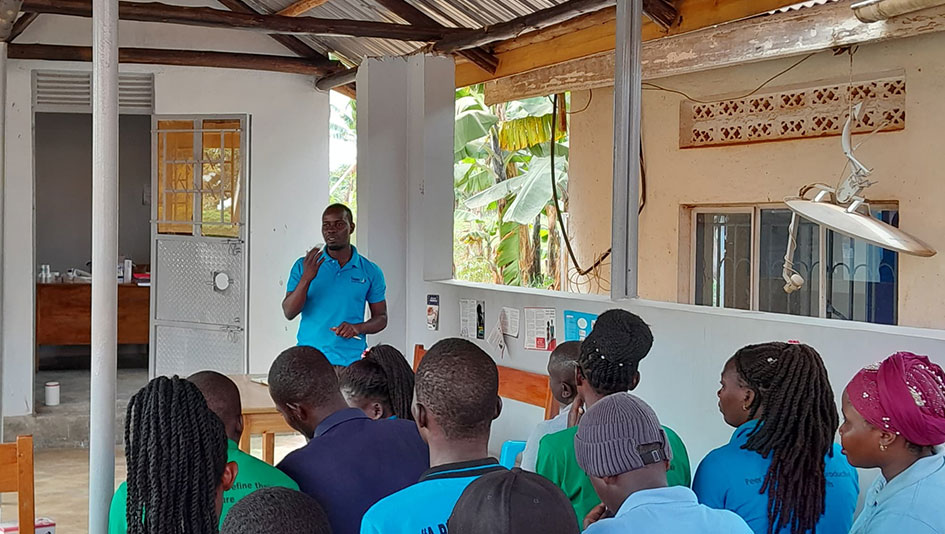
In 2024, Ssevvume and his wife enrolled in the Gender Household Approach (GHA) training under TeamUp. After attending several gender awareness sessions and couple seminars, they were later selected as Change Agents. Together, they participated in training sessions covering:
- Gender equality in household decision-making
- Joint planning and budgeting
- Conflict resolution and communication skills
- Inclusive livelihood activities that engage all family members
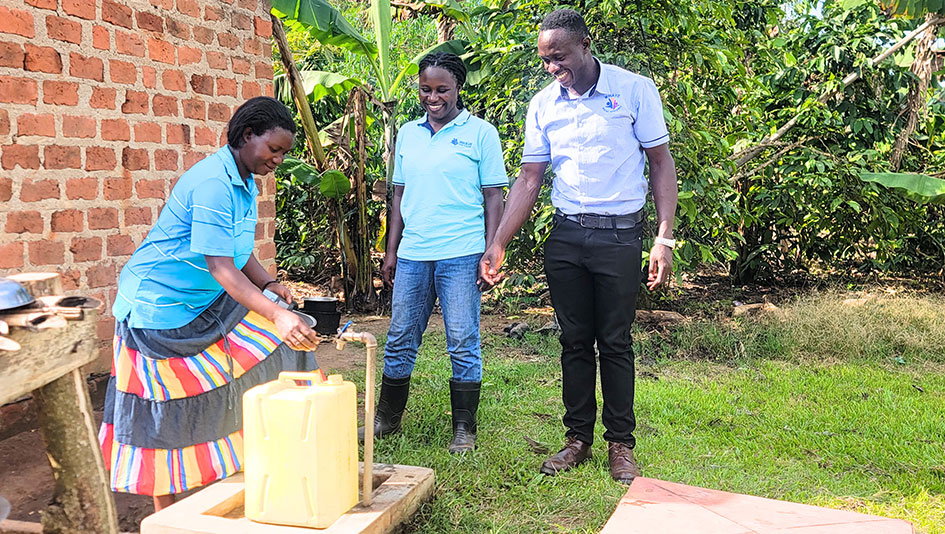
They also joined peer-to-peer learning events, drawing inspiration from other families already practicing shared responsibilities. With their new skills, the Ssevvumes not only transformed their own home but also began helping peers develop and follow vision journeys with clear household work plans.
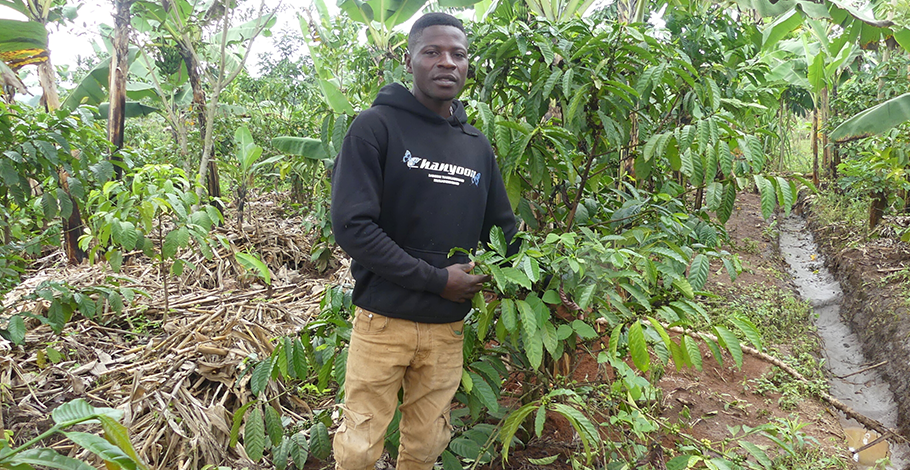
The Ssevvumes now sit together to plan priorities, farm investments, and income use. This has reduced misunderstandings and created harmony at home. The tasks once defined strictly as “women’s” or “men’s” work are now shared. This has boosted farm productivity and improved time management. Pooling their efforts allowed them to expand into coffee trading and goat rearing. Within just four months, household income grew by 20%, enabling them to invest in children’s education, livestock, home improvement and aquired one acre of land.
As Change Agents, the couple mentors at least 10 other households, encouraging them to embrace shared responsibilities and joint decision-making for stronger livelihoods and relationships.
“Ever since we participated in the gender trainings, we learned a lot, especially about shared decision-making and shared roles. I personally feel less burdened because my wife supports me all through,” says Ssevvume.
“I now feel valued in decision-making. We plan together, and our home is more peaceful.” says Annet Ssevvume.
The Ssevvume family’s journey is proof that the Gender Household Approach can break down barriers, promote equality, and strengthen youth livelihoods. Their story demonstrates that when couples work together, they not only achieve more for themselves but also inspire and uplift their wider community.