Increase the availability of family planning commodities in health facilities
Equip youth with more knowledge about SRHR and increase uptake of professional SRHR services.
Increase utilisation of professional healthcare services among young women and men.
Encourage young people to adopt healthy lifestyle habits which have long-lasting positive effects on their overall health.
Reduce the prevalence of unplanned and teenage pregnancies among young people.
Address the high prevalence of HIV/ STIs among the youth.
Eliminate stigma in menstrual hygiene management.
Bring youth to the forefront in engagements on issues that affect them.
Our strategies in the health sector are:
Youth-led advocacy: Young people are equipped with information and supported to advocate for issues that affect them in the three thematic areas of Health, Agribusiness and Water.
Peer-to-peer SRHR cascading approach: 54 trained peer facilitators and 180 peer educators cascade SRHR information to their peers.
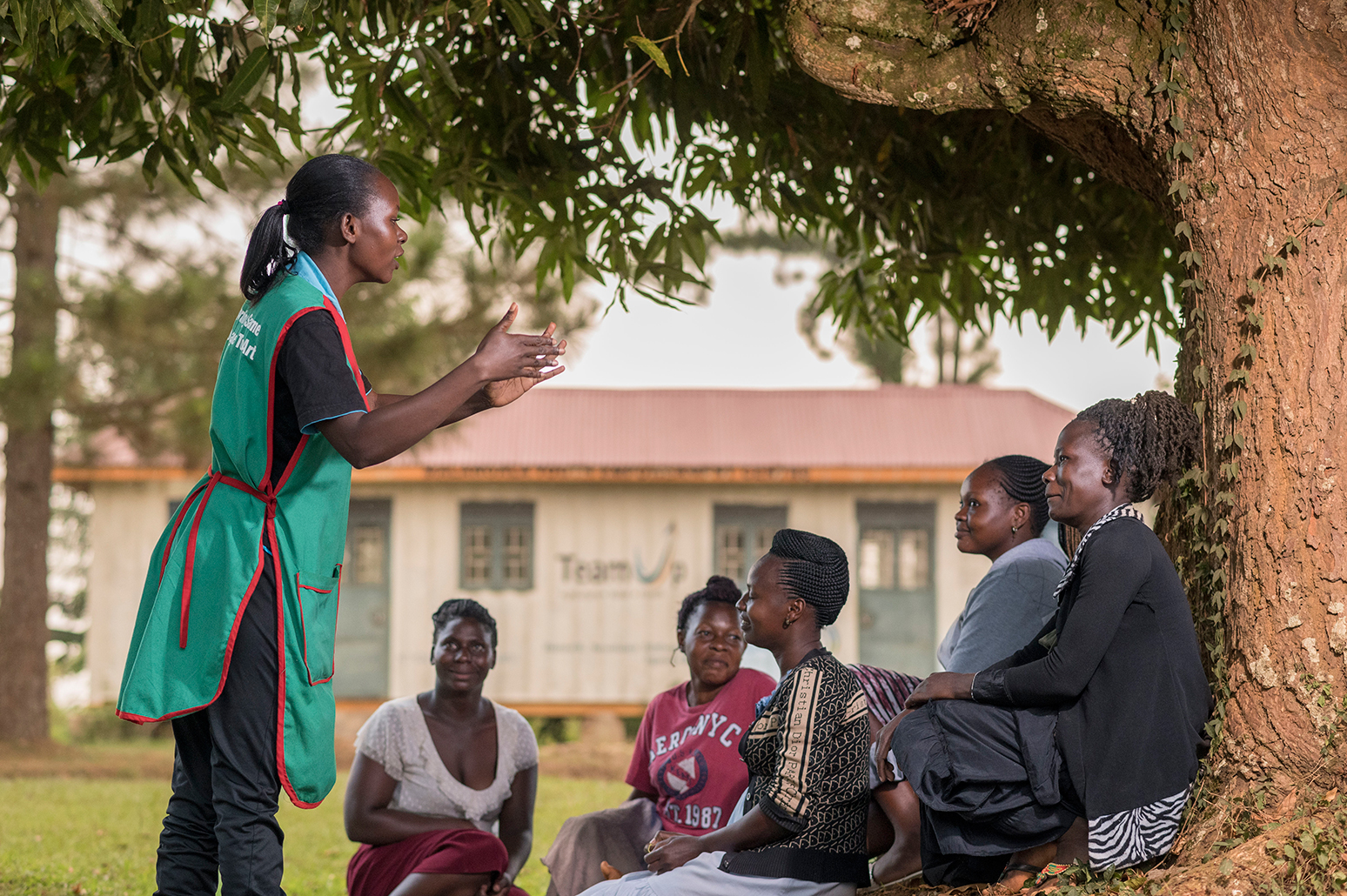
Health education talks in youth clubs and YFFS groups by professional health workers: TeamUp partners with public health workers to provide reliable, evidence-based knowledge to raise awareness and counter myths and misconceptions.
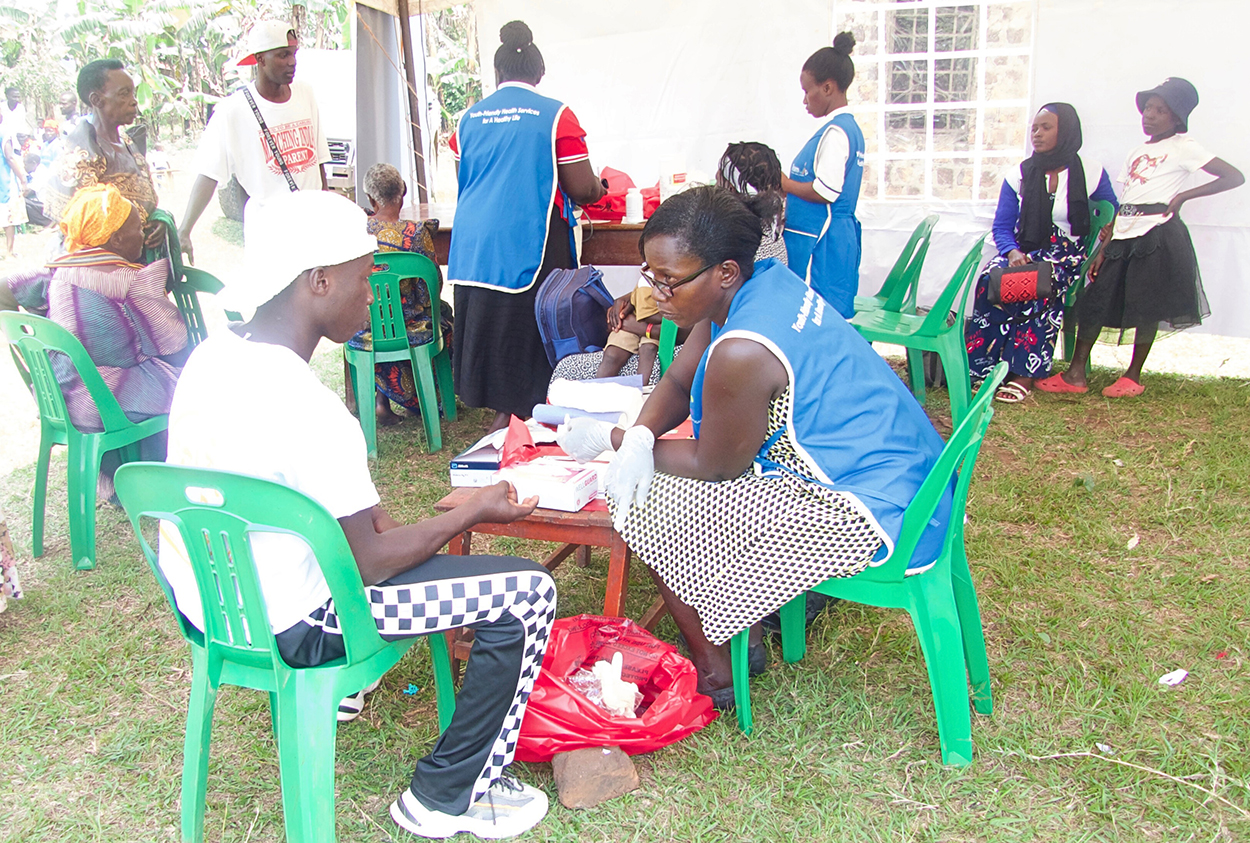
Integrated community health outreaches: Outreaches bring services closer to people to increase the number of young men and women using professional healthcare services.
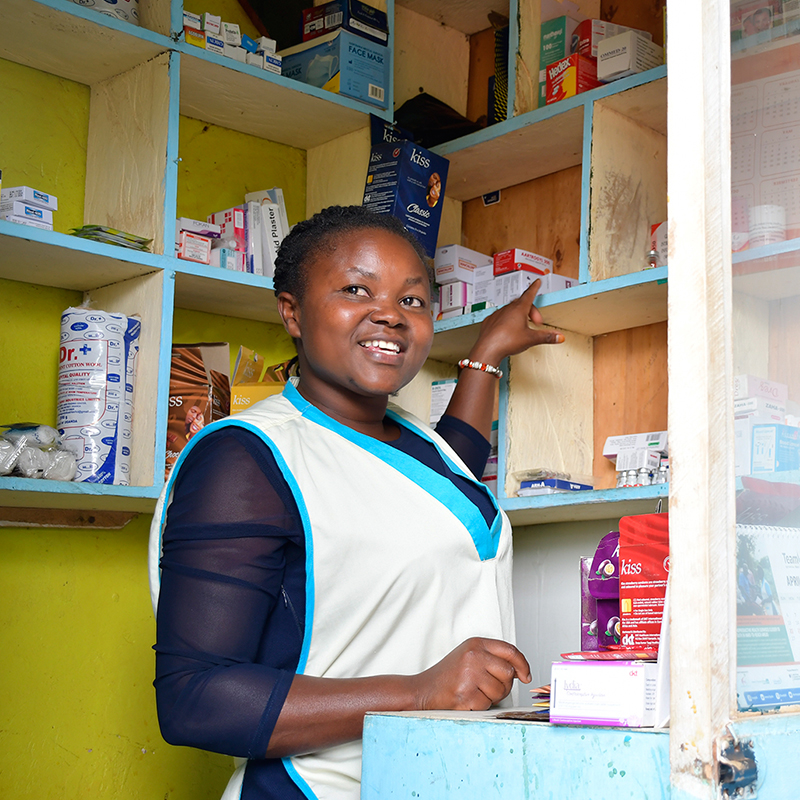
Family planning social marketing model: 18 trained Flying nurses (Bees) and 10 youth stockists provide FP information, youth-friendly products, and services through community-based social marketing strategies.
Radio novella series and talkshows: Airing drama series on community and mainstream radios to pass on knowledge and information to young men and women to stimulate discussions among peers, families and communities about their relationships, health and choices.
School-based awareness sessions: Promoting (SRH) and Menstrual Hygiene Management (MHM) among in-school youth to ensure that adolescent girls have access to the knowledge, resources, and support needed to manage menstruation with dignity while at school. Our ultimate goal is the integration of MHM into school curricula, plans and budgets to create a more supportive and informed environment for adolescent girls.
Data quality audits in health facilities and youth clubs: Data quality is critical for gaining valuable insights, make informed decisions, and achieve organizational goals by assessing and improving various aspects including accuracy, completeness, validity, consistency, uniqueness, timeliness, and fitness for purpose.
Youth-friendly corners: enhancing youth access to sexual and reproductive health services, MCH and HIV, with special clinics, care and/or referrals.